


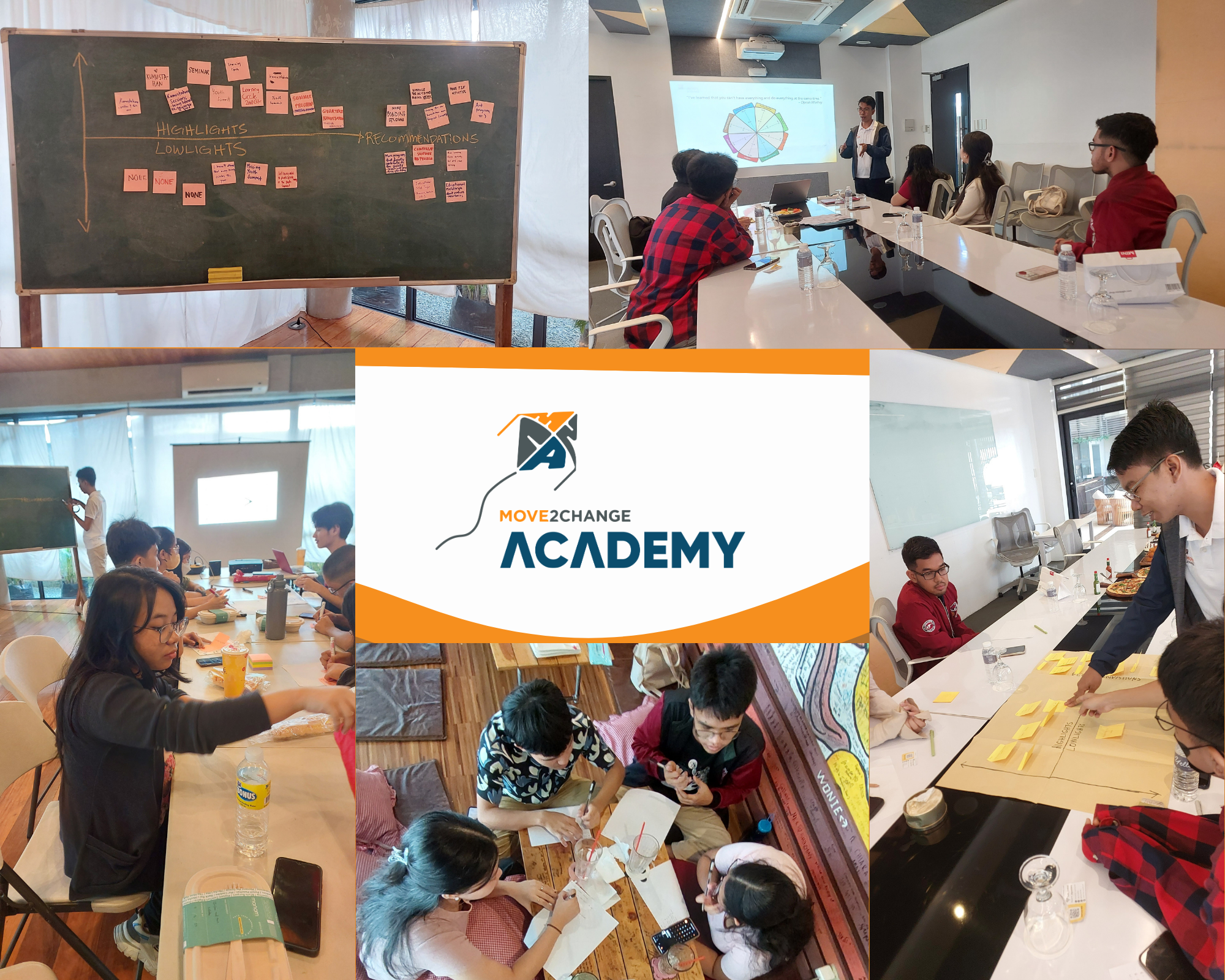
Two-Way Learning: A Push for Inclusivity and Democracy in Education
When we think of “learning,” we usually envision a classroom—with a teacher and students—where the teacher imparts their knowledge, while the students sit and absorb knowledge. These days, however, learning no longer means a one-way process. Students no longer passively absorb information from the teachers.
Two-way Learning is a process where the teacher and the student learn from one another. It may start with the teacher discussing a theory, and then posting prompt questions that engage the students to think of why this theory is important in their practice. As the theory is applied, the students can then discuss with the class the results of their practice and even challenge the applicability of the theory in their contexts. In turn, the teacher learns the universality or limitations of that theory, having been applied in different ways by the students.
One example of this in our education system is when teachers take the time to build a good relationship with their students. For example, in the beginning of classes, the teacher may take time to co-create the learning environment. Setting expectations and creating class agreements that the class will follow in its duration. Taking time to also check with the students’ progress in their classes or giving time for consultation are also ways that this process of Two-way Learning can occur.
This process shows how learning is reciprocated,* by ensuring that students are part of the whole learning process. That their specific needs are also identified and catered due to the rapport built by the teacher over time.
Two-way Learning also humanizes our education system. It recognizes that each and everyone in the classroom is a resource of knowledge. People’s various experiences and contexts can be valuable to others, providing them with yet another rich source of ideas and practices that cannot be found in textbooks or searched on the internet.
Two-way Learning is also a way to create an active and participatory learning environment, as teachers are no longer seen to have the monopoly of knowledge. Instead, they serve merely as facilitators of learning sessions where students are more than welcome to discuss and share insights about the topic. Thus, Two-way Learning democratizes learning by giving everyone a chance to be a source of knowledge.
As we celebrate the International Day of Education this January 24th under the theme “learning for lasting peace,” the practice of Two-way Learning recognizes the very basic core of education—it is a human right.**
We need more spaces of non-discrimination and democratization in education, that is why Move to Change Foundation created the Changemakers Scholarship Program (CSP)
In this program, we recognize that students are gifted with multiple intelligences and that academic excellence does not just mean “high grades.” That academic excellence also means possessing a strong desire for continuous learning, the grit to fulfill their dreams, and the potential to be changemakers in society.
The program also fills the gaps within traditional school systems by providing socio-emotional learning, life skills, change making skills, and others. As well, it bridges the economic gaps and their dire consequences such as the lack of opportunity to gain new experiences or explore talents the scholars may possess.
At the core of CSP, we practice the model of Participatory Development. This is a process through which groups and communities determine through inclusive dialogue and consensus their development priorities and design solutions that address their priority needs.*** The end goal of this program is to reach a point where scholars, without the push of Move to Change, are able to design and engage in change making initiatives that provide sustainable solutions to societal or environmental issues that they would like to prioritize.
Under the Changemakers Scholarship Program, there are various activities that adhere to the principle of Two-way Learning:
- Kumustahan Sessions is a check-in activity for scholars. The CSP Team checks the scholars’ progress in these three areas: leading self, leading growth, and leading others. It is the program’s way to learn more about the scholars, process the experiences they are having in their academic and personal journey, and finally guide them in areas that they think they need support and improvement.
- Learning Circle is a series of learning sessions that run for the entire year, curated based on the topics the scholars have chosen. Topics range from socio-emotional learning to life skills, change making skills, social skills, and the like.
- Year-End Review is our way of ensuring our program for the following year is co-designed with our scholars and their parents or guardians.
The CSP is a continuous work-in-progress that aims to embrace Two-Way Learning at its core, along with Participatory Development, in order to create a learning community of changemakers ready to give solutions to the needs of the country, the society, and the world.
This model at the heart of our program contributes to the essence of Two-way Learning and its capability to remove discrimination, practice democracy and humanize how people can learn and be educated. The scholars are not the only ones that learn in the process of this program, but also the parents and how their support can affect their children’s schooling, and even stakeholders that can help us push for opportunities that go beyond the usual grade limitations of traditional school systems. Ultimately, as this series of co-designing with the community continues, it helps the CSP Team tailor-fit the activities to the needs that the community sees for themselves. It helps us know better in guiding them to become change makers we aspire the world to have.
This International Day of Education, let us practice learning that does not discriminate, that promotes democracy and inclusivity and believes in the capability of one another to be bearers of knowledge. Let us look into how we can espouse Two-Way Learning in every opportunity, both inside and outside of the classroom. Together, let us move to change the face of education. That education is a process to learn from one another and understand each other despite our differences. #
List of References:
* Two-Way Learning | Harvard Graduate School of Education. (2016, January 26). Www.gse.harvard.edu. https://www.gse.harvard.edu/ideas/usable-knowledge/16/01/two-way-learning
** International Day of Education | UNESCO. (n.d.). Www.unesco.org. https://www.unesco.org/en/days/education
*** What is Participatory Development. (n.d.). Www.unm.edu. https://www.unm.edu/~soc101/participate.htm
– Written by April Grace Garcia (CSP Team Member)
– Guided by Mark Lee Babaran (CSP Prime Mover) and Chona Sebastian, PhD (Move to Change Co-Leader)